Rollins’s Integrated Pest Management Approach

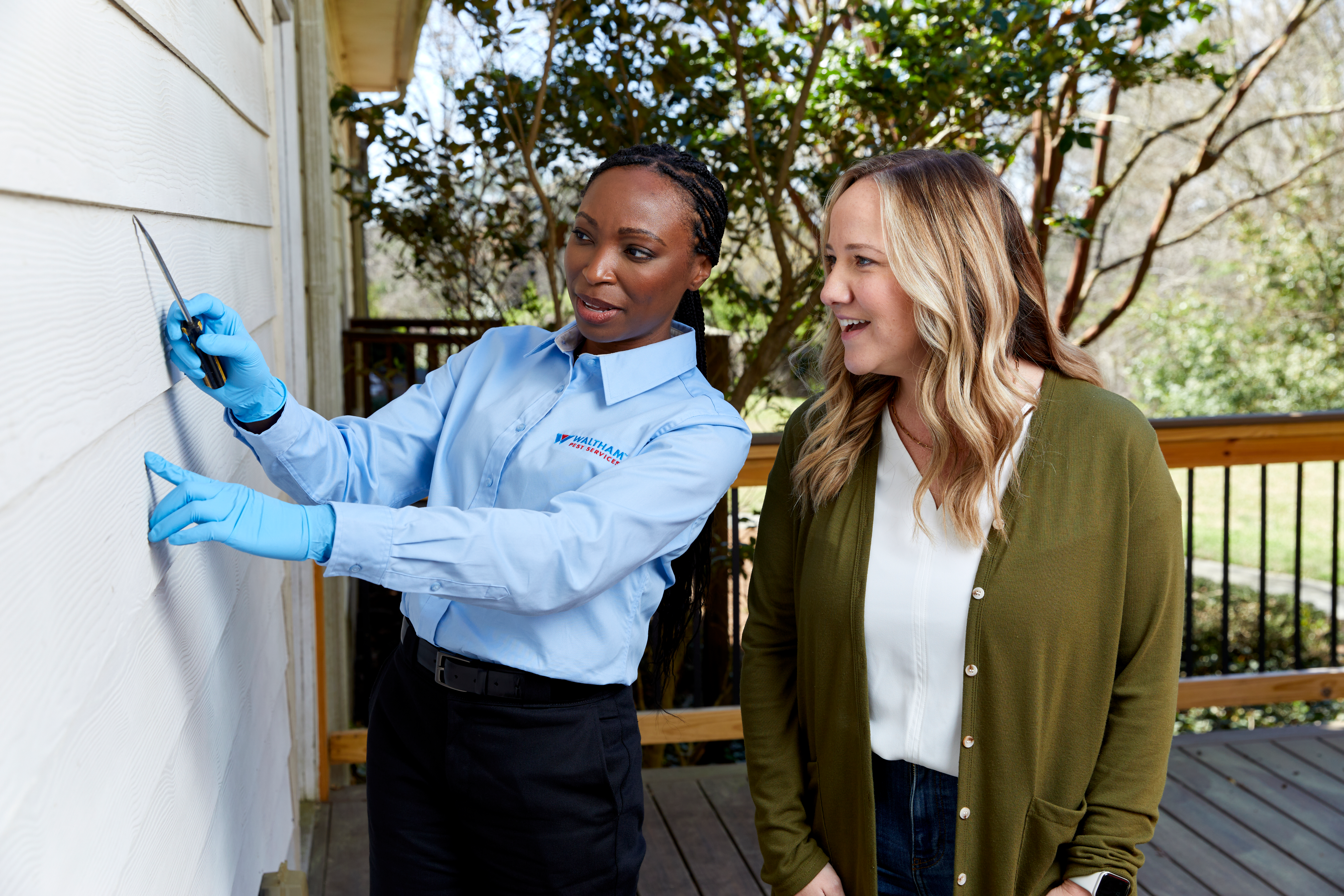
At the core of our pest control strategy is the integrated pest management (IPM) methodology— a comprehensive approach designed to effectively manage pest populations while minimizing environmental impact. This method is guided by principles, including accurate pest identification for targeted treatments, regular monitoring, and thorough inspections. These practices enable us to assess and refine our strategies, prioritizing non-chemical solutions whenever feasible. When chemical measures are required, we apply them with precision to reduce unnecessary exposure and support safety.

Integrated Pest Management in Action

Our team works collaboratively across brands to exchange best practices and drive innovation, fostering a culture of continuous improvement. We continue to incorporate innovative technologies into our pest management efforts.

Northwest Exterminating®

Northwest Exterminating introduced a sensory-disrupting deterrent that encourages snakes to relocate without harm, offering a non-lethal and chemical-conscious alternative to traditional repellents or extermination methods.

MissQuito®

MissQuito continued to pair the InCare® mosquito station trap with a natural, botanical barrier spray, providing an effective, targeted solution for mosquito control with fewer treatment applications.

Western Pest Services®

Western Pest Services continued to use PestDetect Remote Monitoring, a technology that provides real-time data on rodent activity, allowing for more precise and targeted elimination.

Sustainability in Our Operations

As one of the largest operators of Class 1 and Class 2 vehicle fleets in the U.S., we are increasing fuel efficiency and integrating hybrid vehicles. In 2024, we expanded our hybrid fleet by over 40% to reduce our environmental impact, with almost 2,500 hybrid vehicles in our 17,500-vehicle fleet. Additionally, brands with a significant number of hybrid and electric vehicles have installed charging infrastructure at their offices to support this transition.

Our teammates deliver pest control services to homes and businesses, following scheduled routes to meet customer needs. In 2024, we continued to leverage route optimization technology and data analytics when scheduling service visits to enhance efficiency, customer satisfaction, and environmental sustainability. Over the last several years, we have made meaningful progress in optimizing our service routes, resulting in a consistent and efficient mileage pattern across our operations.

In our field operations, we prioritize technology that conserves natural resources and enhances efficiency. Key innovations include:

  • Expanded use of battery-powered equipment, such as battery-powered backpack sprayers, which lowers emissions, reduces noise pollution, and eases physical strain on our service professionals.
  • Implemented LED light traps for flying insect control, a more energy-efficient alternative to traditional solutions. In 2024, we purchased over 27,000 LED light traps across our domestic brands, equating to a savings of over 205,000 fluorescent bulbs over the next three years.

As part of our efforts to reduce plastic waste, we are working with suppliers to replace single-use plastic bottles with 30-gallon bulk containers. In 2024, we introduced 475+ new bulk containers across our brands, allowing service professionals to refill and reuse smaller containers in the field. These bulk containers are collected, returned, and refilled by the manufacturer, creating a closed-loop system that minimizes waste. We are continuing to expand this initiative by collaborating with manufacturers on additional bulk packaging options and exploring refillable stainless-steel application devices.

Our Sustainability Certifications

GreenPro Certification

We take pride in offering GreenPro-certified services, a distinction endorsed by the National Pest Management Association (NPMA). This GreenPro certification reflects our dedication to safe and sustainable pest management practices and is granted to services that meet rigorous standards set by regulatory and environmental advocacy organizations. Service professionals delivering GreenPro services prioritize innovative, non-chemical strategies and reduced-impact pesticides to safeguard the health of ecosystems where we operate.

QualityPro

Only QualityPro-accredited companies, which voluntarily adhere to standards exceeding state and federal requirements, are qualified to provide GreenPro services. GreenPro customers benefit from comprehensive documentation to support an Integrated Pest Management policy and can earn credits toward the U.S. Green Building Council's (USGBC) Leadership in Energy and Environmental Design (LEED) certification for their facilities. GreenPro certified services minimize pesticide exposure to humans, non-target animals, and the environment by:

  • Emphasizing Integrated Pest Management (IPM) strategies.
  • Conducting and documenting thorough pest inspections, monitoring services, and follow-ups to support effectiveness.
  • Maintaining regular communication with clients about pest issues and prevention strategies.
  • Requiring specialized GreenPro training for all teammates who sell or deliver GreenPro services.

NPMA Pro

We are also proud to offer NPMA Pro certification, which further demonstrates our commitment to the highest standards in the pest management industry. The NPMA Pro certification is awarded to pest management professionals who complete rigorous training and demonstrate expertise in Integrated Pest Management (IPM), safety, and environmental stewardship. This certification confirms our teammates are equipped with the knowledge and skills to deliver effective, sustainable pest control solutions while minimizing environmental impact.

The Role of Fumigation in Global Food Supply

Pest control is a complex and essential industry, requiring a balance between effectiveness and environmental responsibility. While certain products including fumigants have potential environmental impacts, they help prevent the introduction of invasive species and manage pests that can damage stored goods in warehouses, such as fruits, vegetables, grains, and coffee beans. These products are regulated by the U.S. Environmental Protection Agency (EPA) and state agencies to promote their safe use and minimize negative effects.

Fumigation services are crucial at ports of entry and in warehouses storing imported goods, where pests can be inadvertently introduced. Effective pest management prevents infestations, reduces food waste, and supports the safety and quality of stored goods, ultimately supporting the global food supply.

Featured Spotlight: Rollins Brands Make an Impact

Beaver Pest Control™

Beaver Pest Control, a United Kingdom-based pest management company and a new member of our family of brands, embeds sustainability in how they serve their teammates, customers, and communities. Beaver Pest Control maintains the highest standards for quality management and environmental responsibility (ISO 9001 and 14001, respectively), while continuously improving its practices. Their dedication was recently recognized with the National Pest Awards 2024 Sustainability Initiative of the Year, highlighting their industry leadership. Looking forward, Beaver Pest Control is working to reduce its greenhouse gas emissions through targeted efforts in energy efficiency, waste reduction, and transitioning to a more sustainable fleet.

Clark Pest Control™

Clark Pest Control, our California-based brand, is embracing a future-forward approach to sustainability with its Clark SMARTer initiative, an evolution of the company's longstanding Clark SMART philosophy— Sustainable Methods and Responsible Treatments. Designed to align with California's Sustainable Pest Management Roadmap, they are improving their practices with innovation, research, and field-tested solutions. Through Clark Pest Control’s continued partnership with the University of California-Riverside, product manufacturers, and support from the California Department of Pesticide Regulation grant, they are working to accelerate the development of more responsible and effective pest management solutions.

An outcome of this work is the LO system, which was created by Clark Technical Project Manager, Ryan Cowler. This science-backed strategy uses localized "L" and "O"-shaped treatment patterns to precisely target pest harborage areas, reducing unnecessary product use while maintaining high-performance results.

Our People

We place a strong focus on the well-being and professional growth of our teammates across each aspect of our business.

Learn More About Our People

Our Impact

We provide effective and responsible solutions through thoughtful product selection, fleet efficiency, and environmental innovation.

Learn More About Our Impact